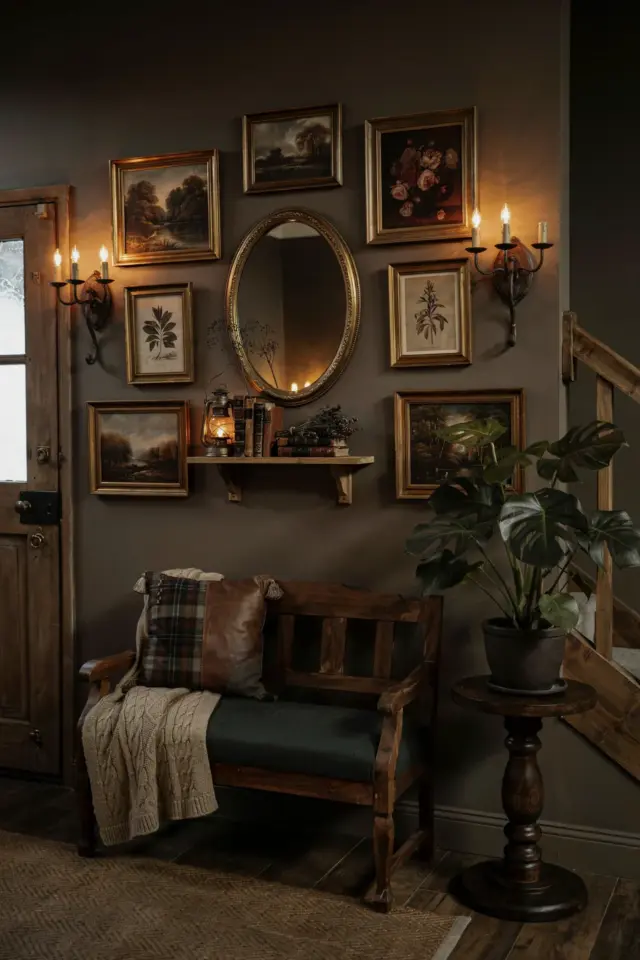
Ok so you’ve pinned a thousand cottagecore living room photos, and somehow your own space still looks like a craft store exploded. I get it. The real problem isn’t a lack of florals or vintage finds, it’s that most people treat the style like a checklist instead of a recipe. You can’t just pile on lace and expect magic. The secret to truly cozy cottagecore living rooms is the mix, the deliberate clash between rough-hewn farmhouse bones and soft, droopy, lived-in things. It’s the difference between a room that looks staged and a room that looks like it actually holds your life.
Let’s start from zero. You don’t need a thatched roof or a cottage in the English countryside to pull this off. You need a willingness to break a few rules and combine textures that shouldn’t technically work, but absolutely do. I’ve redone my own living room twice trying to figure this out, and the second time only worked when I stopped matching and started mixing.
Start With Cheap Cottagecore Living Room Decor Wins
Before you spend a single dollar, scan your house for things that already whisper “old farmhouse.” A chunky cable-knit throw that’s seen better days? Perfect. A ceramic pitcher you only use for iced tea? That goes on the mantle, not the cabinet.
The best part of this style is that it rewards time, not money. Thrift stores and flea markets are your best friends here, but so is your grandmother’s attic. Look for items with visible wear, like a scratched wooden stool or a faded linen curtain that’s been washed a thousand times. New things feel aggressive in this aesthetic, while pre-loved pieces settle right in.
Honestly, the first mistake I made was buying a whole matching set of “rustic” decor from a big box store. Everything was the same wood tone, same finish, same vibe. It looked like a furniture showroom, not a home. Don’t do that. Instead, gather one or two things that are slightly ugly, slightly imperfect. Those are the pieces that make a room feel real.
The Cottagecore Living Room Decor Rule That Changes Everything
Here’s the thing, cottagecore living room decor is really just texture math. You need heavy, rustic elements like raw wood beams, chunky wool blankets, or a worn leather armchair. But you also need delicate, fragile things like airy linen curtains, a fragile floral teacup, or a piece of embroidered vintage fabric.
The magic happens when these two opposites touch. Put a rough wooden ladder against a wall and drape a soft, lacy white blanket over it. Set a weathered metal watering can next to a plush velvet cushion. That contrast creates instant depth, while a room full of only florals and lace ends up looking flat and predictable.
I learned this the hard way. My first attempt was all soft blues and delicate patterns, and it felt like sleeping in a doily. The second attempt, I added a massive, rough-cut wood coffee table and a pair of thick linen sofas. The difference was night and day. The soft things finally had something to push against.
How to Mix Farmhouse Textures With Cottage Softness
Think of your sofa as the anchor. If you have a sleek modern couch, you’re starting at a disadvantage, but don’t panic. You can fix a modern base with a heavy, textured linen slipcover or just a really good oversized blanket thrown over the back.
Then, you layer. Start with the roughest texture you own, maybe a braided jute rug or a rustic wooden bench. Add a mid-layer of softness, like a quilted throw or a pillow with a hand-stitched pattern. Finally, add something purely delicate, like a scalloped-edge pillow or a lace-trimmed cushion. The three layers work together to create a space that’s both lived-in and intentional.
The goal is an imperfect balance. A room that feels too polished is just a photo shoot. A room that feels like a rambling farmhouse kitchen in the middle of a wet autumn afternoon, now that’s the vibe you want. Don’t be afraid to leave a bucket of dried flowers sitting on the hearth or a stack of old books piled on the floor. It’s supposed to look a little bit casual, a little bit messy.
Common Cottagecore Aesthetic Living Room Mistakes to Avoid
Here are the pitfalls I see everywhere, and I’ve made several of these myself:
– Overdoing the pastel palette until the room looks like a baby’s nursery. Stick to a base of cream, off-white, and warm earthy browns, then bring in color through accents only.
– Buying everything new. Cottagecore is fundamentally about age and history. If everything in the room is from the same store, it loses its soul.
– Hanging too many small, delicate items on the walls. Instead, go big with one or two statement pieces, like an old window frame or a large botanical print, and let the smaller finds sit on shelves.
– Using silk flowers. They scream “fake” from across the room. Dried hydrangeas, bunches of eucalyptus, or bundled lavender are so much better, and they last forever.
– Forgetting the floor. A cold, bare floor kills the whole cozy mood instantly. Throw down a chunky wool rug or layering two smaller rugs together.
The floor one is huge. I wore slippers for two months because my floors were freezing, and the room never felt warm until I added a a thick, nubby rug. It instantly made the seating area feel more intimate.
Warm Lighting and Lived-In Layers
Your lighting can make or break the entire cottagecore aesthetic. Overhead lights are the enemy, they cast a harsh, clinical glow that ruins everything. Instead, place small lamps in every corner of the room. A couple of vintage table lamps with fabric shades will do more for the mood than any decorative knick-knack ever could.
Use warm, soft bulbs. You’re aiming for a faint golden glow, like a candlelit dinner, not a crime scene investigation. String lights can work too, but only if they’re the warm white kind, not the harsh, bluish ones. Put one in a glass jar for a DIY lantern, or drape them loosely along a windowsill.
And remember, old houses have quirks. My living room has a drafty window and one corner that gets no sunlight at all. Instead of fighting those flaws, I worked with them. I put the coziest armchair right next to the drafty window and piled it with blankets. Now, it’s the perfect reading nook, draft and all. That’s the lived-in part of this aesthetic. It’s about making flaws feel like features.
Bringing the Cottagecore Aesthetic Into a Normal House
You do not need to live in a historic home with exposed beams to get this look. Modern walls, drywall, and flat ceilings are fine. In fact, you can use that blank canvas to your advantage.
The easiest trick is to bring nature inside in a messy, unarranged way. Don’t put a single perfect rose in a vase. Instead, shove a bunch of wildflowers into an old enamel pitcher and let them spill over. Or, snip a few leafy branches from your garden and lean them up against a mirror. It doesn’t need to be a centerpiece, it just needs to exist.
Your furniture doesn’t have to be antique, either. Look for pieces with simple, blocky silhouettes. Paint old furniture in a distressed finish or leave the worn wood as is. A simple wooden side table or a bench made from a repurposed bed frame will do the job perfectly.
Start hunting for textured table linens at tag sales. A humble kitchen towel in a checked pattern can be thrown over a chair arm to add a dash of rustic charm. These tiny, seemingly insignificant details are the things that build the entire atmosphere. They don’t demand attention, but they make your brain whisper “cozy” every time.
How to Make a Living Room Look Cottagecore Without Clutter
There’s a fine line between charmingly cluttered and a hoarder’s paradise. I’ve crossed it more than once. The trick is to group your treasures in clusters of three or five, and give each cluster some breathing room.
Forget trying to cover every wall and surface. Pick two or three key spots, like the mantle, the coffee table, and a bookshelf. Spend a little time making those spots look effortlessly good, then leave the rest of the room alone.
Trays and baskets are your best friend for corralling the mess. Put the remote controls in a vintage wooden bowl. Toss a few extra blankets in a wire basket near the sofa. This keeps things looking intentional rather than chaotic. You want a space that feels relaxed and maybe a little bit sleepy, not like a chaotic storage unit.
Also, consider the scent. It’s not visual, but it completes the feeling. A loaf of bread baking in the oven, a simmering pot of cinnamon and orange peels, or just a candle that smells like fresh baking. This trick takes thirty seconds but changes the whole room.
Now, go try one of these ideas. Pick a single corner of your living room and give it that texture contrast treatment, a rough basket, a soft throw, and something delicate. Save this post for your next farmhouse refresh, and tell me how your corner turns out. The rule is simpler than you think: mix the rough with the smooth, the old with the lived-in, and stop trying to make everything match.
Leave a Comment