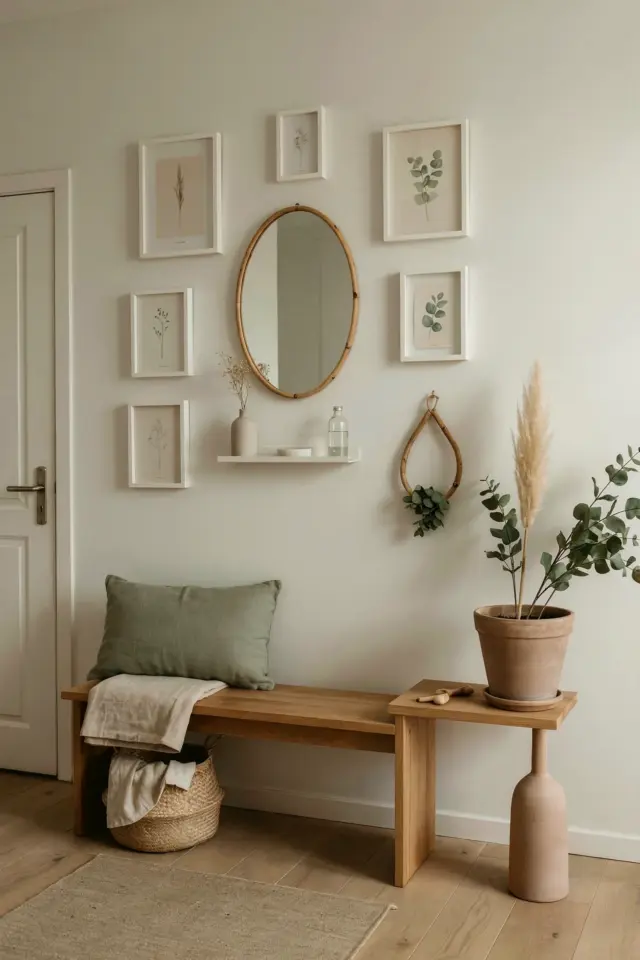
Why Most Cottagecore Living Rooms Miss the Mark
You have probably seen those dreamy, soft-focus photos of a cottagecore living room with chintz pillows, wildflower vases, and worn wood floors. But when you try to recreate that look in your own home, something feels off. The room looks cluttered rather than cozy, or rustic but not romantic, or it feels staged instead of lived-in. The problem is usually a handful of common mistakes that pull the space away from the true farmhouse country style you are after. Let me walk you through those pitfalls and show you how to avoid them so your living room feels like a warm, relaxed country farm haven rather than a Pinterest fails photo.
Mistake 1: Overloading the Room with Too Many Patterns
The cottagecore aesthetic thrives on florals, gingham, ticking stripes, and soft plaids. But when you pile a floral sofa cover with a gingham throw, a striped rug, and plaid curtains, the eye has nowhere to rest. The result is visual noise, not comfort. You end up with a space that feels busy and chaotic rather than calm and inviting.
Instead, pick one hero pattern and build around it. For example, choose a muted floral for your curtains or a single accent chair. Then use solid linens, cotton, and wool in cream, sage, and soft brown for the larger surfaces like the sofa, rug, and walls. This gives the room a cohesive base while still honoring the cottagecore love for prints. Let the pattern breathe.
Mistake 2: Going Too Vintage (and Forgetting Function)
It is easy to get caught up in the romance of antique washstands, vintage trunks, and delicate porcelain figurines. But a living room needs to function for everyday life. If every surface is covered with fragile objects or if seating is purely decorative, the room becomes a museum, not a place to curl up with tea and a book.
Bring in vintage pieces intentionally. A solid farmhouse coffee table with turned legs, a chunky knit blanket draped over a worn leather armchair, a wooden shelf with a few pottery pieces. Let old and new coexist. Choose durable fabrics like canvas or linen slipcovers that can handle spills and pets. Keep at least one clear, flat surface for a mug or a stack of books. This way you preserve the nostalgic charm without sacrificing the cozy living room feel.
Mistake 3: Using Too Many Stark White Walls and Floors
When people think farmhouse decor, they often go straight to bright white walls, white trim, and pale wood floors. That can look cold and sterile, especially if you are mixing it with soft cottagecore elements. The result is a room that feels more like a modern farmhouse kitchen than a snug living space.
To get the right blend of rustic and soft, anchor the room with warmer neutrals. Think warm off-whites, creamy beiges, soft greiges, or even a muted sage green on the walls. For wood floors, choose a darker stain or a natural honey tone that adds warmth. If you already have white walls, bring in warmth with a ochre throw, a wooden ceiling beam, or a large jute rug. The goal is a room that feels like it has been gathered over time, not assembled from a catalog.
Mistake 4: Ignoring Texture (The Real Secret to Coziness)
Many bloggers tell you to layer throws and pillows, but they do not explain why it works. The real rule is texture: you need a mix of rough, smooth, nubby, and shiny surfaces. A room full of only cotton or only wood feels flat. That flatness is what makes a cottagecore room look like a department store display rather than a lived-in country home.
- Wood (beams, furniture, baskets) adds structure and warmth.
- Linens and cottons (curtains, sofa slipcovers) bring softness.
- Wool or chunky knits (throws, cushions) add depth and invitation.
- Metal (wrought iron candle holders, brass accents) introduces shine and contrast.
- Natural fibers (seagrass baskets, jute rugs) ground the space with earthy roughness.
When you have at least four different textures, the room immediately feels richer and more layered. Touch matters as much as sight in a rustic decor scheme.
Mistake 5: Forgetting About Greenery (But the Wrong Kind)
Dried lavender and eucalyptus wreaths are lovely, but a purely dried-flower palette can make a room feel dusty and static. On the other hand, tropical houseplants in modern pots will clash with the cottagecore vibe. You want plants that look like they were gathered from a cottage garden or a hedgerow.
Choose plants with soft, trailing shapes. A bushy fern in a terracotta pot, a hanging ivy, a small rosemary topiary, or a cluster of forced paperwhites in a mason jar. For low-light rooms, consider faux plants made of high-quality silk, but stick to realistic varieties like hydrangea or lavender stems. Mix them with a few dried bunches of wheat or baby’s breath for that country farm style that feels alive, not dead.
Mistake 6: Making the Room Too Symmetrical and Perfect
Cottagecore and farmhouse styling both rely on a sense of imperfection. When every pillow is perfectly fluffed, every picture frame aligned, and every item centered, the room loses its soul. It starts to feel like a staged hotel room rather
#cottagecorelivingroom #farmhousedecor #countryfarmstyle #cozylivingroom #rusticdecor
Leave a Comment